Shower Tile Moisture Management in Chicago: Membranes, Drainage, Ventilation
Stop Hidden Shower Leaks Before They Destroy Your Bathroom Tile
A beautiful new tile shower can hide serious problems behind the tiled surface. The tile can look clean, the grout lines straight, and everything can seem solid. But if moisture is trapped behind the tile assembly, the tiled shower area can quietly start to fail.
In many Chicago homes, hidden shower leaks around tile walls lead to crumbling grout, loose tiles, stained ceilings on the floor below, and that musty smell that never really goes away. These issues can stay out of sight for years, until the tile and grout start showing visible problems. That is why a bathroom remodel in Chicago has to be about more than tile patterns and pretty fixtures. It has to focus on how the tile system is built.
The key is what happens behind and around the tile: waterproofing membranes directly behind the tile, drainage planes integrated with the tiled surfaces, and detailing that supports moisture control around tiled showers and steam showers. These layers work together to handle moisture in a climate with cold winters, humid summers, and freeze-thaw cycles that punish poorly built tiled showers. Tile patterns alone cannot fix that. The hidden tile layers do.
Why Chicago Showers Are Harder on Tile Walls
Chicago weather is tough on homes, and tiled showers feel that stress more than most spaces. When you run hot water in a cold house, tile surfaces and their backing heat up fast, then cool down again once you are done. Those temperature swings can cause tiny movements in tile layers and grout joints.
Here is what that means for your tiled shower:
- Cold winters meet hot showers, so tile, grout, and backing materials expand and contract at different rates
- Humid summers keep tiled surfaces damp longer
- Freeze-thaw cycles can push moisture deeper into small gaps in the tile system over time
If the tile system behind the walls is not designed correctly, that movement pushes water and water vapor into every tiny crack. Even when grout lines look perfect, tile and grout are not waterproof. Water can move through:
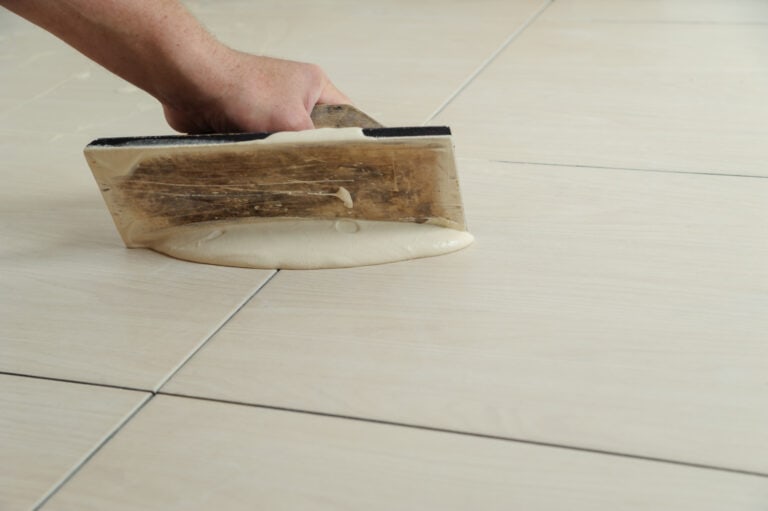
Hairline cracks in grout
- Tiny gaps around tile penetrations, such as fixtures and shower heads
- Corners and tile niches that were not sealed fully
- Micro gaps where the wall tile meets the tiled floor or tub edge
In city condos, smaller bathrooms and long, hot showers mean even more steam focused on a compact tile area. Classic Chicago bungalows often have older wall conditions behind the tile. Both types of homes put extra pressure on tile assemblies. Without a real moisture strategy behind the tile, the tiled shower becomes a slow leak waiting to show up on the other side of the tile system.
Waterproofing Membranes That Actually Protect Your Tile Walls
A good bathroom remodel in Chicago treats waterproofing as the main structure of the tiled shower, not an add-on. The waterproofing membrane directly behind the tile is the continuous layer that keeps water from migrating beyond the tile assembly.
Common tile membrane options include:
- Sheet membranes: rolled or panel products applied in large pieces over the tile backer to create a uniform waterproof barrier
- Liquid-applied membranes: products painted or rolled onto the tile substrate that cure into a flexible waterproof skin
- Foam-board systems: rigid panels that serve as both tile backer board and integrated waterproof layer in one
All of these can work when they are installed the right way. The trouble usually shows up in the tile details. Weak spots are almost always at:
- Seams between tile backer panels or sheets
- Corners where two tiled walls meet
- Screw or fastener penetrations through the tile substrate
- Transitions between tiled walls and tiled floors
- Tiled niches and benches that can hold standing water
One missed spot is all it takes for water to sneak behind the tile layer and stay there. In Chicago, where steam showers and high-output fixtures are popular, there is often a need for tile membranes that can handle constant high humidity and higher temperatures. The tile backer, mortar, and membrane should be part of one system that is rated for wet or steam conditions, not a random mix of products.
Drainage Planes That Keep Water Moving, Not Trapped Behind Tile
Even the best tile installation will let a small amount of water through the grout or around penetrations. That is normal. What matters is what happens next. A properly built tiled shower is designed so that any water that gets behind the tile has a clear path down to the drain, instead of pooling behind the tiled surface.
Water can reach the layer behind the tile when:
- A glass panel anchor or grab bar penetrates tiled walls and is not sealed correctly
- A shampoo niche is tiled without full waterproofing and without a proper slope on the tiled shelf
- Grout hairlines form over time from movement or aggressive cleaning
- Caulk at tiled corners or along the floor cracks or pulls away
A drainage plane within the tile assembly is the surface that guides that water safely where it belongs. It works with:
- A pre-sloped shower pan under the floor tile that directs water to the drain
- Properly located and open weep holes at the drain so water under the floor tile can escape
- Waterproofed corners and wall-to-floor transitions under the tile that do not trap moisture
In Chicago remodeling, common tile-related mistakes that cause long-term damage include:
- Flat or reverse-sloped tiled shower floors that let water sit instead of flow to the drain
- Clogged or buried weep holes at the drain that block hidden moisture under the floor tile from draining out
- Tile installed directly over inappropriate substrates in older baths that are “quickly updated” with new tile but without rebuilding the underlying tile system
These shortcuts might look fine for a while, but the tile assembly can slowly soak up water and begin to fail. That is when grout deteriorates, tiles loosen, and visible problems appear at the tiled surface.
Vapor Control for Tiled Showers and Steam Showers
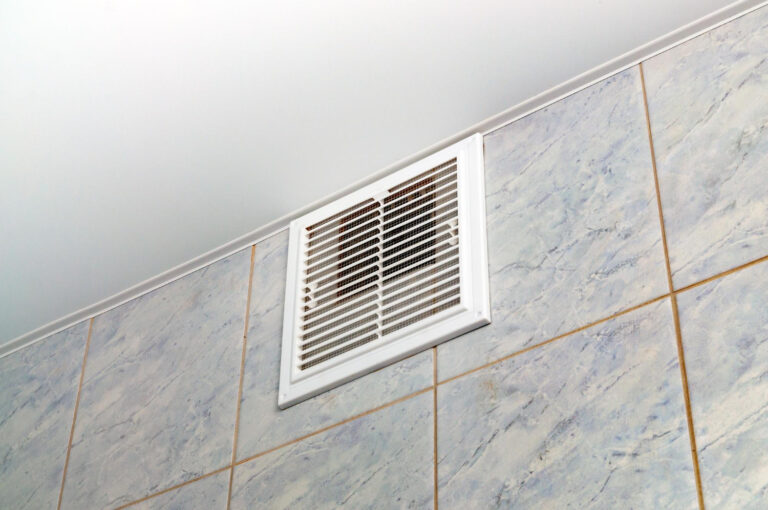
Water on the tile is only half the story. Water in the air is just as important, especially with tiled showers and steam showers. When the shower runs, steam rises and looks for cooler tiled or adjacent surfaces to condense on. If vapor is not managed at the tile level, that moisture can move through or around the tile assembly.
For standard tiled showers, effective moisture control focuses on:
- Using tile membranes that control both liquid water and water vapor passing through grout and tile
- Detailing all tile penetrations (valves, shower heads, niches) so openings in the tile do not become paths for vapor and liquid water
For steam showers or very powerful fixtures, the tile assembly should be vapor-tight. That usually means:
- A membrane behind the tile that is rated as a vapor retarder or vapor barrier, not just “water resistant”
- Fully sealed penetrations for valves, shower heads, lights, and accessories that pass through the tile
- Careful detailing at tiled ceilings, benches, and niches where steam can linger and condense
In older Chicago homes, tile assemblies may be installed over varied existing conditions. In those cases, understanding how the tile, grout, mortar, and membrane interact to manage vapor is just as important as the tile pattern you choose.
Planning a Tile-Focused Moisture Strategy for Your Chicago Shower
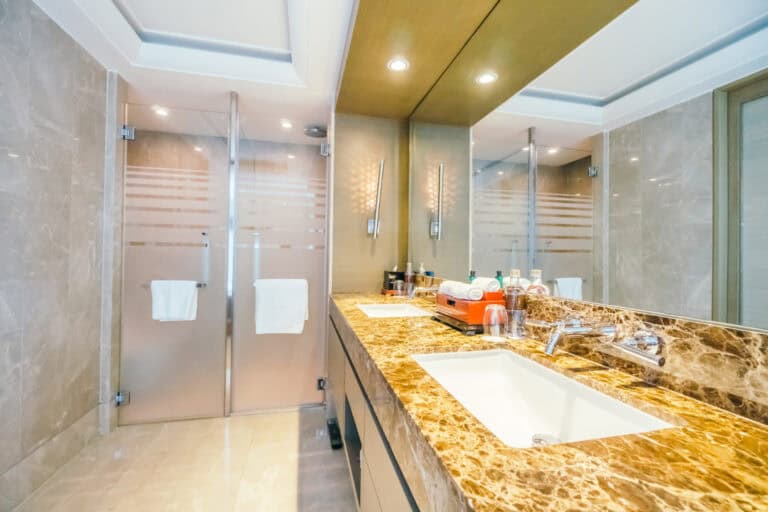
A strong bathroom remodel in Chicago starts with one big idea: treat the tiled shower as a complete moisture system, not just a decorative tile project. Before any tile goes on the wall or floor, it helps to ask clear questions about the tile installation and what will sit behind it.
Good planning conversations for tiled showers and steam showers usually cover:
- What type of waterproofing membrane will be used directly behind the shower tile and ceiling tile
- How seams, corners, niches, and fasteners in the tile substrate will be sealed
- How the shower pan under the floor tile will be sloped and how water will reach the drain, including weep hole protection
- Whether the selected tile membrane and installation system are appropriate for a standard shower or a steam shower
When the membrane, drainage plane, and vapor control behind your tile all work together, your tile stays beautiful, grout lines stay intact, and the tiled surfaces continue to perform over time. That is the kind of upgrade that looks good on day one and keeps performing quietly behind the tile, long after the grout has dried.
Get Started With Your Project Today
If you are considering a bathroom remodel in Chicago, our team at Wrigleyville Handyman and Remodeling Incorporated is ready to help you plan and execute every detail. We will walk you through design options, materials, and scheduling so your project fits your home and your budget. Tell us about your goals and we will provide clear next steps and a straightforward estimate. To schedule a consultation or ask questions, please contact us today.