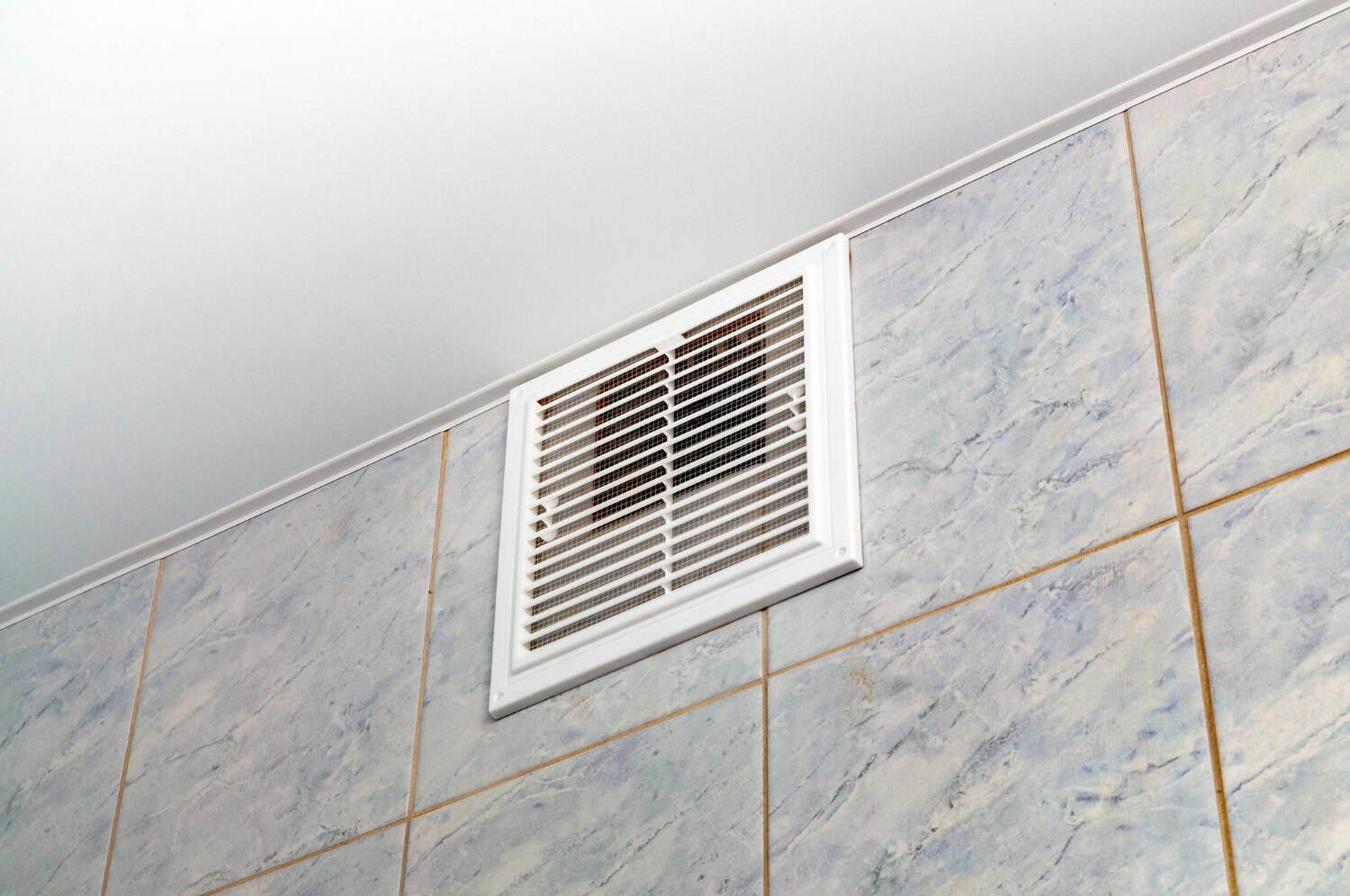
Managing Summer Humidity in Chicago Bathrooms: Ventilation and Mold Control
Stop Summer Steam Damage with Smarter Shower Tile
Summer humidity in Chicago can turn a normal shower into a sticky, foggy box. All that steam has to go somewhere, and it often ends up trapped in your shower tiles, grout, and sealant. Over time, you get dark stains in the grout, loose or hollow-sounding tiles, musty smells, and mildew that keeps coming back no matter how much you scrub.
Tile choice and tile detailing matter more in July and August than in the middle of winter. In tightly sealed condos, high-rises, and older brick homes, moisture hangs in the air longer, especially in smaller bathrooms without strong ventilation. When the wrong tiles, grout, and sealants are used, that trapped moisture can quietly damage your shower from the surface all the way back to the wall.
At Wrigleyville Handyman and Remodeling Incorporated, we focus on bathrooms all across Chicagoland, so we see what summer humidity does to showers and steam showers. In this article, we will talk about how smarter tile choices, ventilation-friendly layouts, better grout and sealants, and mold-resistant detailing can keep your shower cleaner and healthier through the hottest months.
Choosing Shower Tiles That Breathe and Stay Cool
Not all tiles handle steam and humidity the same way. The size, finish, and material of your bathroom tile affect how fast your shower dries and how comfortable it feels on hot, sticky days.
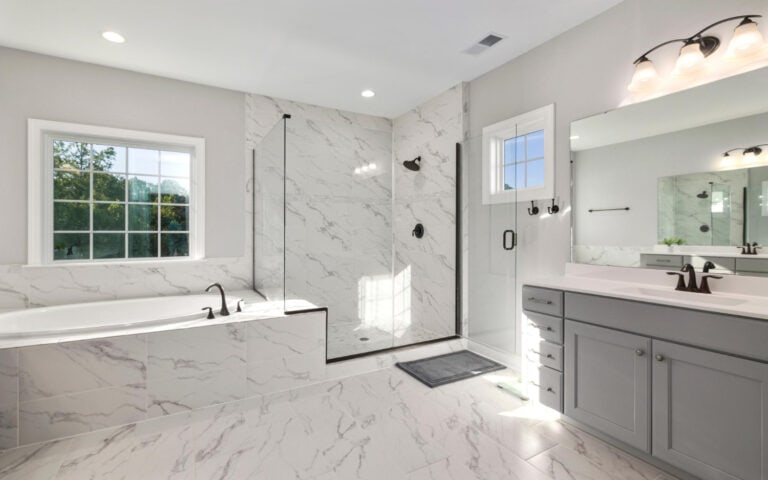
For walls and floors, larger-format porcelain tiles are usually a strong option in a humid climate. They have fewer grout joints, which means fewer places for water to sit and less surface area that needs to dry out. On the floor, small mosaics still have a place, especially if you need more grip, but we like to balance safety with smart drainage so water does not linger.
Tile material makes a big difference in how much moisture gets pulled into the surface:
- Porcelain tile is very dense and has low water absorption, which is helpful in steamy showers.
- Standard ceramic tile is fine for many showers, but usually absorbs a bit more moisture than porcelain.
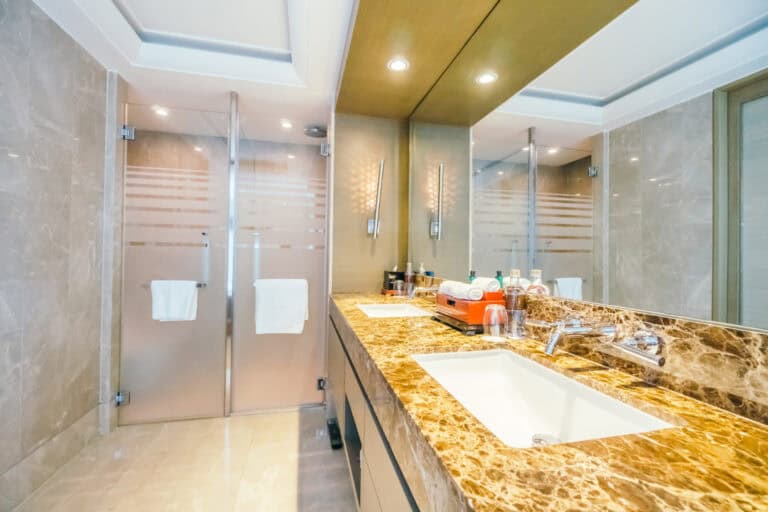
- Natural stone can look beautiful, but it is often more porous, needs more sealing, and shows water spots and soap scum faster in humid weather.
Finish and color also play a role. Light-colored tiles can make a small, steamy bathroom feel cooler and brighter. Smoother wall tiles help condensation roll off instead of clinging, so walls dry faster after a shower. On the floor, you still want some texture for slip resistance, especially when your feet are wet and the air is muggy.
We also think about cleaning in high humidity. Finishes that stand up to frequent wiping and gentle cleaners are helpful. Some very soft stones or delicate finishes can etch or cloud if you clean them often, which is not ideal in a shower that needs regular care in the summer.
Ventilation-Friendly Tile Layouts for Chicago Showers
Tile layout is not just about style. The way tiles are arranged affects how well your shower dries out after each use, which is especially important when the air outside already feels damp.
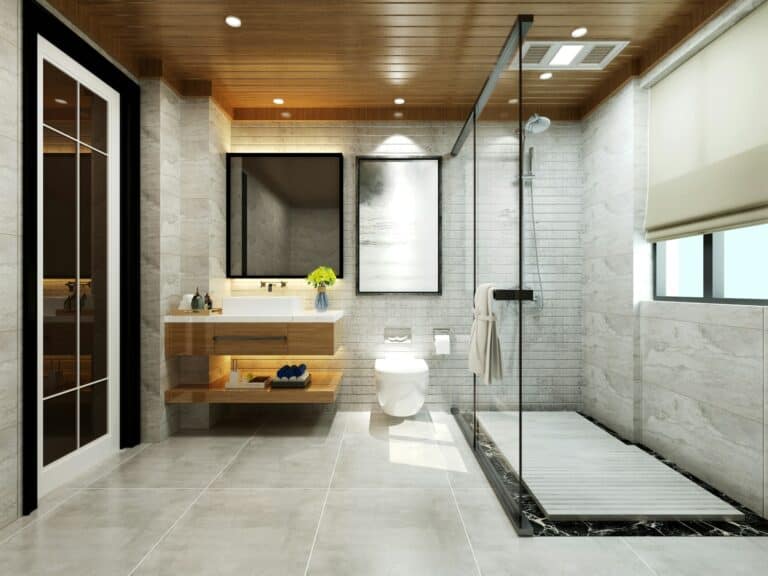
On shower floors, we focus on drainage and slope. When the slope is done correctly and the tile size matches the shape of the floor, water moves away quickly instead of pooling in corners. Around linear drains, an open floor mosaic pattern can help water reach the drain faster and keep standing water from soaking the grout.
Key layout details that support better drying include:
- Proper floor pitch toward the drain so water does not sit on tiles.
- Avoiding deep ledges and flat spots where puddles can collect.
- Keeping the layout around corners and benches simple so there are fewer hidden pockets for moisture.
Ventilation and tile also meet at the ceiling and upper walls. In some showers, especially standard ones without a steam unit, it may not be necessary to tile the entire ceiling. In a real steam shower, a tiled ceiling with the right slope helps condensation move toward the walls, instead of dripping straight down. In either case, we think about where exhaust fans pull air, how close the fan is to the shower, and how that air movement interacts with the tiled surfaces.
For a bathroom remodel in Chicago, retrofits are very common: turning a tub into a shower, raising tile height, or adding storage. When we add tiled niches for shampoo and soap, we pitch the bottom slightly so water runs out instead of sitting inside. We also pay attention to tile height on the walls so air can move, especially around the top of the shower and near doors or glass panels, to reduce heavy condensation.
Grout and Sealant Choices That Fight Summer Humidity
If tile is the skin of your shower, grout and sealant are the joints and seams. In sticky summer air, they take a lot of abuse. The right materials help keep moisture out of the layers behind the tile.
Different grout types perform differently under heavy, humid use:
- Cementitious grout is common and works well when properly sealed and maintained, but it can stain and absorb moisture more easily.
- Polymer-modified grout is still cement-based but is improved for better strength and stain resistance.
- Epoxy grout is more water-resistant and less porous, which can be a strong choice in very wet and steamy areas when installed correctly.
Sealing strategies matter too. Many natural stones and some grout lines benefit from a breathable sealer that keeps stains out but still lets trapped moisture escape over time. Non-breathable sealers in the wrong place can cause more harm than good, locking moisture inside the assembly instead of keeping it out. In a humid city, it is better to let a shower dry between uses than turn it into a permanent moisture trap.
Flexible sealant, usually caulk, belongs at changes of plane like corners, floor-to-wall edges, and around benches or niches. Tile and grout do not like movement, but your home moves a little with temperature and humidity swings. A high-quality, mold-resistant, caulk at these joints:
- Absorbs minor movement without cracking.
- Blocks gaps that feed mildew and soap scum streaks.
- Helps keep water on the surface, where you can see and clean it.
Mold-Resistant Tile Detailing for Steam Showers
Steam showers are a special case. The air inside them gets hotter and wetter, and the moisture has more time to soak every surface. Here, tile detailing must be tight and carefully planned.
Full-height tiled walls and ceilings are standard in steam showers, but how they are detailed is what really matters. Smaller, consistent grout joints give water fewer places to rest. Smooth transitions between walls, ceilings, benches, and niches keep soap and condensation from building up in hard-to-clean seams.
Mold-resistant design details include:
- Benches that are gently sloped so water flows off, not into the corner.
- Niches with pitched bottoms to drain water out instead of holding it.
- Minimal exposed raw edges where water can creep behind tiles.
Behind the tile, the right backing system and waterproofing are just as important as what you see. Mold-resistant backer boards, paired with properly installed waterproof membranes, help keep moisture from ever reaching the wall cavity. Any penetration in those surfaces, like shower heads, body sprays, and recessed lights, must be carefully sealed and detailed. When steam cannot sneak behind the tile, your grout and caulk have a much easier job.
Plan a Summer-Ready Tile Upgrade for Your Chicago Bath
Before humidity peaks, it helps to take a close look at your shower or steam shower tile. Many homeowners notice darkened or blotchy grout that never seems to clean up, loose or hollow tiles around the floor drain, recurring mildew in corners, or cloudy spots on natural stone. These are all signs that moisture is not drying out between uses.
Planning tile-focused upgrades in spring gives new tile, grout, and sealants time to cure and settle before the hottest months. With a thoughtful design that matches local humidity, you can have:
- Tile layouts that shed water quickly.
- Grout and sealants that stand up to daily steam.
- Mold-resistant details that keep your shower fresher with less effort.
Wrigleyville Handyman and Remodeling Incorporated works on bathroom remodels in Chicago with these humid summers in mind. By focusing on tile choices, smart layouts, and moisture-aware detailing, we help homeowners enjoy showers and steam showers that look good, feel comfortable, and stand up better to the thick summer air.
Get Started With Your Project Today
If you are ready to upgrade your space with a high-quality bathroom remodel in Chicago, our team at Wrigleyville Handyman and Remodeling Incorporated is here to help. We will walk you through design choices, materials, and scheduling so your project fits your home and budget. Tell us about your ideas and goals, and we will provide a clear, detailed plan to bring them to life. To schedule a consultation or ask questions, simply contact us today.