10 Remodeling Mistakes That Are Draining Your Budget Fast
Home remodeling can be one of the most rewarding investments you make in your property. Whether you’re upgrading a kitchen, renovating a bathroom, or transforming multiple rooms, a well-planned project can improve comfort, functionality, and long-term value. However, many homeowners underestimate how quickly renovation costs can spiral out of control when mistakes occur during the planning and construction process.
At Wrigleyville Handyman and Remodeling Incorporated, we’ve worked with homeowners who started their remodeling projects with excitement but encountered unexpected expenses due to avoidable decisions. The good news is that most budget-draining mistakes can be prevented with proper preparation and realistic expectations.
If you’re planning a renovation, understanding the most common remodeling errors can help you protect your investment and keep your project on track. Let’s explore the ten biggest remodeling mistakes that often lead to unnecessary expenses.
Why Remodeling Budgets Often Go Off Track
Many homeowners create a budget based only on visible upgrades such as flooring, cabinets, paint, or fixtures. While these items are important, they are only part of the overall project.
Unexpected issues, material delays, design changes, and overlooked repairs can quickly increase expenses. A successful remodeling project requires a complete understanding of potential challenges before work begins.
The more informed you are during planning, the less likely you are to encounter costly surprises later.
Common causes of budget overruns include:
- Incomplete planning
- Scope changes
- Material delays
- Hidden damage
- Poor contractor selection
Understanding these risks is the first step toward avoiding them.
Mistake #1: Starting Without a Detailed Plan
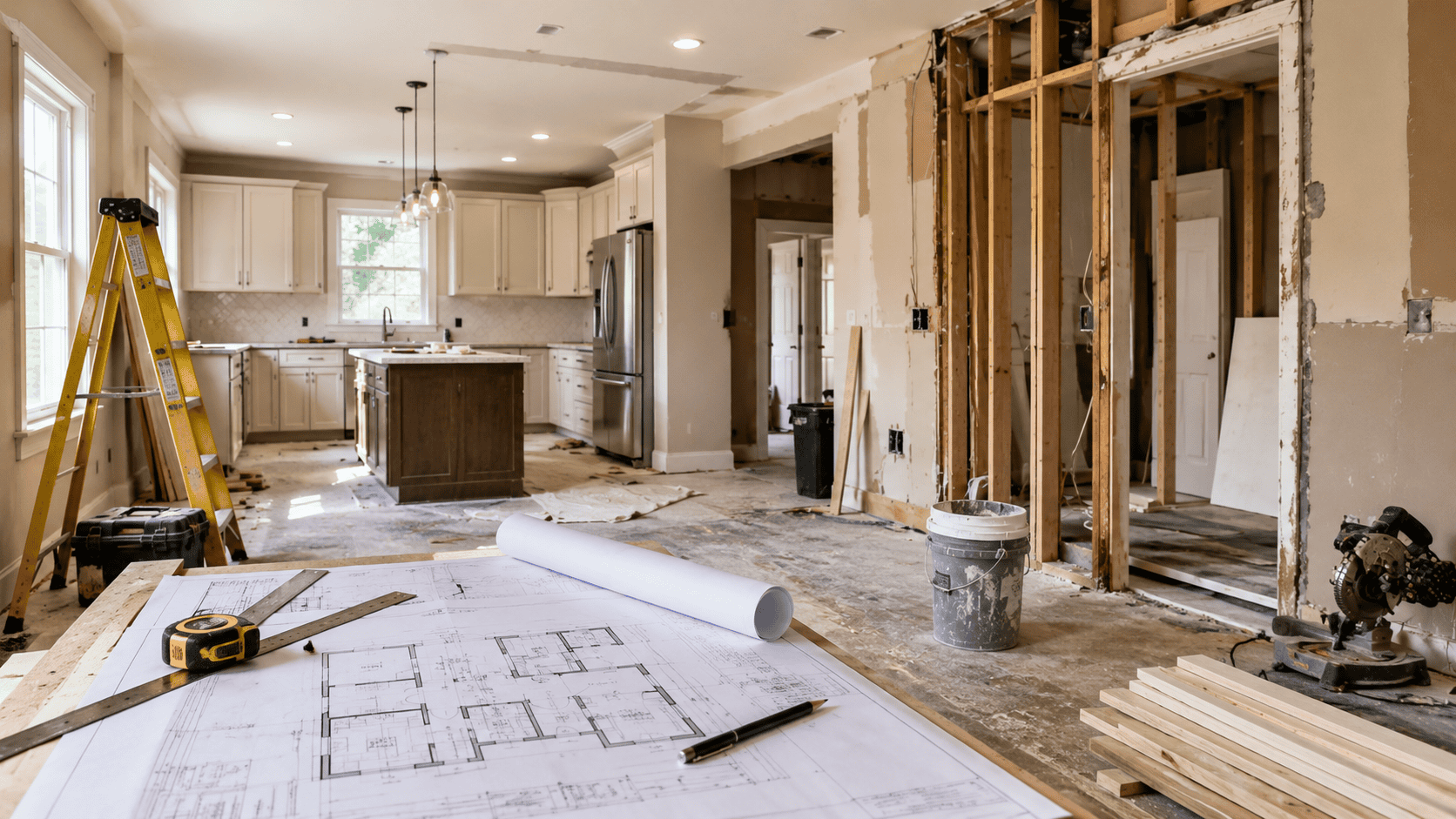
One of the biggest reasons remodeling projects exceed expectations is the absence of a detailed plan. Many homeowners begin demolition before making final decisions about layouts, finishes, and materials.
Without a clear roadmap, projects often experience delays, confusion, and additional labor requirements. Every decision made after construction begins can affect scheduling and project costs.
Proper planning helps create a smoother renovation experience.
A detailed plan should include:
- Project goals
- Material selections
- Design preferences
- Timeline expectations
- Construction priorities
The more decisions made upfront, the fewer surprises occur later.
Mistake #2: Failing to Prepare for the Unexpected
Even well-maintained homes can hide issues behind walls, ceilings, and floors. Older plumbing, outdated wiring, moisture damage, or structural concerns may not become visible until demolition begins.
Many homeowners underestimate the importance of preparing for unforeseen discoveries.
Planning for potential surprises helps reduce financial stress during construction.
Common hidden issues include:
- Water damage
- Electrical problems
- Plumbing deterioration
- Structural concerns
- Mold growth
A flexible budget helps accommodate unexpected repairs when necessary.
Mistake #3: Making Design Changes During Construction
Changing your mind after work has started can significantly impact the project timeline and budget. Even small modifications often require additional labor, revised material orders, and scheduling adjustments.
While adjustments may seem minor, they can create a ripple effect throughout the entire project.
Finalizing decisions before demolition helps maintain efficiency.
Mid-project changes often affect:
- Labor schedules
- Material orders
- Installation timelines
- Design coordination
- Project completion dates
Consistency throughout the project helps control expenses.
Mistake #4: Choosing the Cheapest Contractor Available
Everyone wants to save money, but selecting a contractor based solely on price can create expensive problems later. Low bids sometimes indicate limited experience, inadequate planning, or lower-quality workmanship.
A reliable local handyman or remodeling professional should provide transparent communication, proper licensing, and a clear understanding of project requirements.
Quality workmanship often provides greater long-term value than the lowest initial estimate.
When evaluating contractors, consider:
- Experience
- References
- Licensing
- Insurance coverage
- Communication skills
A qualified professional can help prevent costly mistakes.
Mistake #5: Ignoring Permit Requirements
Permits exist for a reason. They help ensure construction work meets safety standards and local building regulations.
Some homeowners attempt to bypass permits to speed up projects or reduce expenses. However, failing to secure required approvals can create legal complications and future property issues.
Compliance helps protect both homeowners and their investments.
Permit-related risks may include:
- Project delays
- Failed inspections
- Legal concerns
- Resale complications
- Additional corrections
Following local requirements supports a smoother renovation process.
Mistake #6: Overlooking Long-Term Material Performance
Choosing materials based only on appearance can lead to future maintenance concerns. While trendy finishes may look appealing, durability should remain a priority.
High-traffic areas require products capable of withstanding daily use. Investing in suitable materials often reduces future repair and replacement needs.
Balancing aesthetics and performance is essential.
Material considerations include:
- Durability
- Maintenance requirements
- Moisture resistance
- Longevity
- Functionality
Practical selections often provide better long-term value.
Mistake #7: Underestimating Kitchen Renovation Complexity
Many homeowners assume kitchen projects are straightforward, but kitchens involve multiple systems working together. Plumbing, electrical, cabinetry, lighting, appliances, and ventilation all require careful coordination.
Professional kitchen remodel services help ensure each component is properly planned and installed.
A well-organized kitchen renovation minimizes disruptions and improves efficiency.
Kitchen planning priorities include:
- Workflow optimization
- Storage solutions
- Appliance placement
- Lighting design
- Utility coordination
Comprehensive planning helps avoid unnecessary expenses.
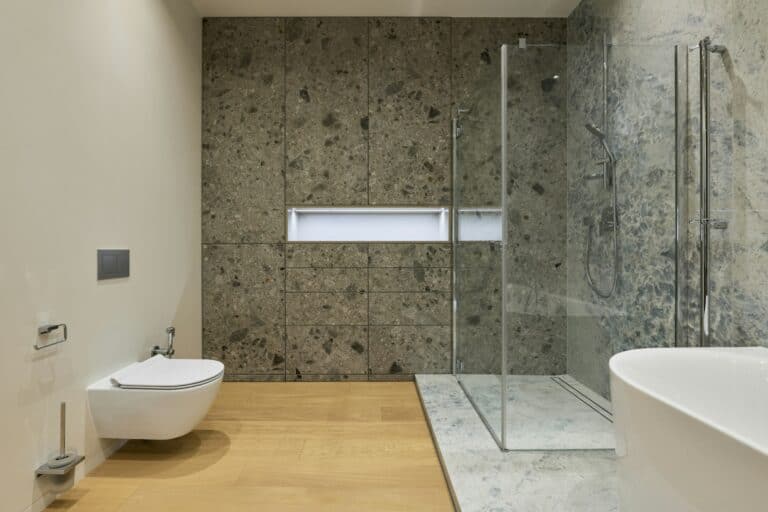
Mistake #8: Neglecting Bathroom Functionality
Bathrooms are among the most frequently used spaces in a home. While visual upgrades are important, functionality should never be overlooked.
Many homeowners focus exclusively on finishes without considering ventilation, waterproofing, accessibility, and safety features.
Experienced bathroom remodel services often address both aesthetics and practical performance.
Important bathroom considerations include:
- Moisture control
- Ventilation
- Storage options
- Accessibility
- Slip resistance
A functional bathroom delivers greater long-term satisfaction.
A Helpful Resource for Bathroom Safety Upgrades
When planning a bathroom remodel, safety features are just as important as design choices. Flooring and shower surfaces play a major role in preventing slips and improving usability. For additional insights, readSlip Resistant Bathroom Shower Tiles.
This guide explores practical solutions that can improve bathroom safety while supporting an attractive design.
Mistake #9: Buying Materials Too Early
Purchasing materials before final measurements and design decisions are complete can create unexpected challenges. Products may arrive damaged, become discontinued, or fail to match revised plans.
Storage can also become an issue when materials are delivered long before installation begins.
Timing purchases appropriately helps reduce waste and complications.
Potential issues include:
- Incorrect quantities
- Design changes
- Storage concerns
- Product damage
- Return limitations
Coordinating purchases with the construction schedule often produces better results.
Mistake #10: Skipping the Final Inspection Process
Many homeowners become eager to complete their project and move on to enjoying the finished space. However, skipping a detailed walkthrough can result in overlooked issues.
A final inspection provides an opportunity to review workmanship, identify touch-ups, and confirm that all project components meet expectations.
Taking time for a thorough review protects your investment.
Final walkthrough tasks include:
- Testing fixtures
- Reviewing finishes
- Checking functionality
- Identifying corrections
- Confirming project completion
Attention to detail helps ensure long-term satisfaction.
The Hidden Cost of Rushing a Remodel
Homeowners often feel pressure to complete renovations quickly. While efficiency is important, rushing decisions can lead to mistakes that increase expenses later.
Taking time to plan properly allows for better decision-making and fewer unexpected challenges.
Patience often contributes to stronger project outcomes.
Benefits of careful planning include:
- Better material selection
- Improved contractor coordination
- Reduced errors
- Greater budget control
- Enhanced project quality
Thoughtful preparation supports successful renovations.
How to Protect Your Remodeling Investment
A successful remodeling project involves more than choosing attractive finishes. It requires planning, communication, budgeting, and professional execution.
Homeowners who take the time to research contractors, finalize designs, understand project requirements, and prepare for unexpected issues are often better positioned for success.
Proactive planning helps reduce financial surprises throughout the renovation journey.
Smart strategies include:
- Defining clear goals
- Establishing realistic expectations
- Hiring qualified professionals
- Monitoring project progress
- Maintaining open communication
Preparation remains one of the most valuable tools in any renovation project.
Don’t Let Remodeling Mistakes Drain Your Budget
Home remodeling should improve your home, not create unnecessary financial stress. By avoiding these common mistakes, homeowners can enjoy smoother projects, better results, and stronger long-term value.
From proper planning and contractor selection to material choices and final inspections, every decision plays a role in the success of a renovation. At Wrigleyville Handyman and Remodeling Incorporated, we believe informed homeowners make better remodeling decisions and achieve more satisfying outcomes.
Whether you’re planning a kitchen renovation, bathroom upgrade, or whole-home transformation, taking the right approach from the beginning can make all the difference. Contact us today to discuss your remodeling goals and learn how professional guidance can help keep your project on budget and on track.