Selecting Slip‑Resistant Bathroom Shower Tiles for Chicago Homes
Create a Safer, Stylish Shower in Your Chicago Home
Slip‑resistant shower tiles are not just a “nice to have” detail. In a wet city like Chicago, where people often step inside with damp feet from boots, snow, or rain, they are a real safety feature. Water, soap, and steam can turn the wrong tile into a slick surface very fast.
When you plan a bathroom remodel in Chicago, the tile you pick for the shower floor affects safety, style, and even resale appeal. The good news is you do not have to choose between a good‑looking bathroom and a safe one. With the right tile, you can get both.
Not every tile that says “bathroom” on the box is safe for a shower floor. Some tiles are only meant for walls or dry areas. We want to help you understand what to look for so you can choose smartly for showers, steam showers, and curbless entries in your home.
What Makes a Shower Tile Truly Slip Resistant
Slip resistance comes down to how much “grip” the tile gives your bare feet. Three main things affect this: surface texture, finish, and how the tile behaves when it is wet or soapy.
- Surface texture: A very smooth tile feels nice to the touch but can be slippery when wet. A lightly textured or structured surface gives your feet something to grip.
- Finish: Matte or satin finishes usually give better traction than glossy or polished finishes, which tend to get slick.
- Water, soap, and steam: In showers and steam showers, the mix of hot water, soap, and constant moisture can make a surface feel more slippery than it does in a dry showroom.
Tile makers use rating systems to show how a tile performs underfoot. One common measure is the Dynamic Coefficient of Friction, or DCOF. For shower floors, you want tiles that are rated specifically for wet areas under bare feet. Many manufacturers also list their own slip ratings or symbols that show if a tile is approved for floor use in wet spots.
It is also important to know the difference between “waterproof” and “slip resistant.” A tile can be great at keeping water out and still be dangerous underfoot. Many glossy ceramic wall tiles are perfect for shower walls because they are water resistant and easy to clean, but they are far too slick for the floor. Always check that the tile is rated for wet floors, not just for wet walls.
Best Tile Materials for Chicago Shower Floors
Different tile materials behave differently in a wet shower. The most common choices for shower floors are porcelain, ceramic, natural stone, and small‑format mosaics.
Porcelain is one of the best options for a bathroom remodel in Chicago because it is dense and durable. It handles daily use well and stands up to grit that gets tracked in from outside. Road salt, tiny bits of gravel, and general city grime are less likely to damage a quality porcelain tile compared to softer materials.
Ceramic tiles can also work, but they are usually a bit softer and may chip more easily over time. For floors, we usually lean toward porcelain, especially in older homes where temperatures can swing more and floors can move a little.
Natural stone, like textured marble, slate, or granite, can look beautiful and feel solid underfoot. Textured surfaces can give great grip, but stone usually needs more care:
- Many stones need regular sealing to repel moisture and soap scum
- Some stones can show winter grime more easily
- Harsh cleaners can damage the surface over time
One big factor that helps slip resistance is grout. Small tiles, such as mosaics, add more grout joints. These joints break up the surface and add traction, which can help in a city where winter slush and dirt may end up in the shower. The tradeoff is that grout lines need to be installed and sealed the right way so they hold up against that grime and are still easy to keep clean.
Choosing the Right Size, Texture, and Finish
Size matters a lot when it comes to shower floors. Smaller tiles let the installer follow the slope of the shower pan more smoothly and wrap around curves and linear drains.
- 1-inch by 1-inch, 2-inch by 2-inch, and mosaic sheets are great for sloped floors
- Small tiles give your feet more edges and grout lines to grip
- They work especially well for curbless or accessible showers where smooth drainage is key
For texture, you want something that feels grippy but not rough on bare feet. Good options include:
- Lightly textured matte porcelain tiles
- Structured tiles designed for shower floors
- Stone‑look surfaces with gentle ridges or natural variation
These textures help your foot stay stable without feeling like sandpaper.
Tiles to avoid on shower floors include:
- Polished marble that turns slick when it gets soapy
- Glossy ceramic that is made for walls, not floors
- Large‑format tiles with very smooth surfaces and few grout joints
Those surfaces may look sleek in photos, but in real life they can be risky once you add water and shampoo.
Coordinating Shower Floors, Walls, and Steam Showers
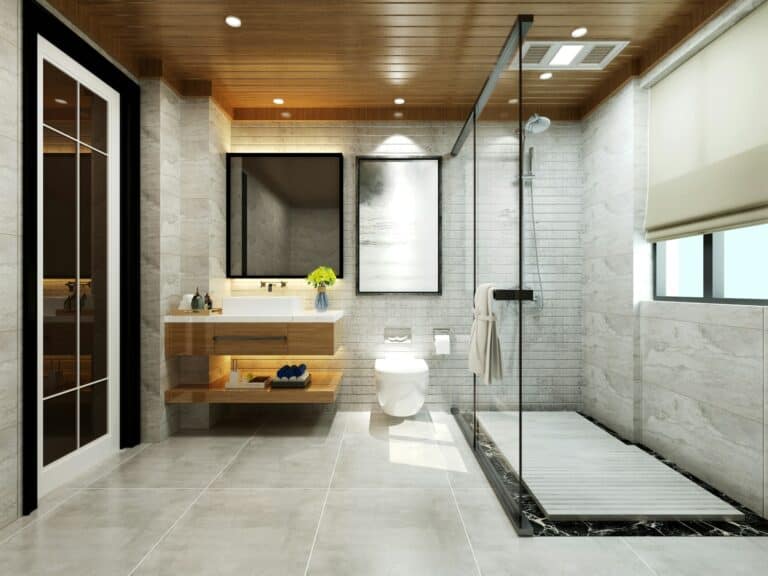
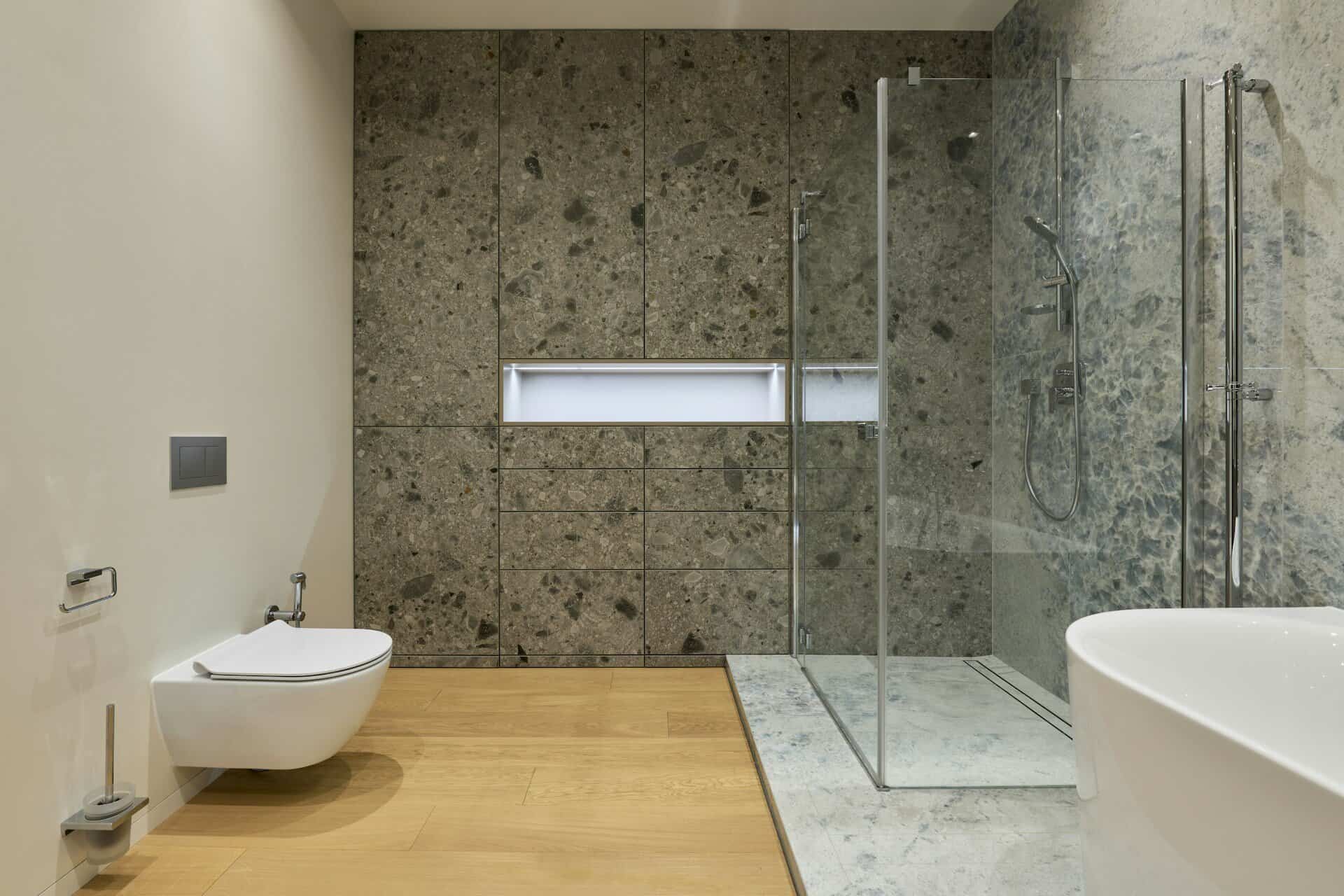
A safe shower can still look clean and stylish. One simple approach is to choose a slip‑resistant mosaic for the floor and a larger matching or coordinating tile for the walls. For example, you might use a stone‑look porcelain mosaic on the floor and the same line in a larger size and smoother finish on the walls. This keeps the look unified while keeping your footing secure.
Steam showers need a little extra thought. The heat, condensation, and constant moisture in a steam space mean:
- Denser tiles, like porcelain, often perform better
- Good grout and careful installation help limit moisture getting beneath the tile
- Surfaces should be easy to keep clear of soap film that can make them slick
For accessibility and comfort, it can help to think about how the shower floor meets the bathroom floor. Some ideas that work well in Chicago homes:
- Use a slightly darker or lighter floor tile in the shower for better visibility at the edge
- Keep similar textures across the shower and drying area so your feet do not go from grippy to slick suddenly
- Plan threshold transitions so there are no awkward bumps or lips that catch your foot or walker
When everything ties together, the bathroom feels calm, safe, and simple to use for everyone in the home.
Plan Your Chicago Shower Tile Upgrade with Confidence
If you already have a shower or steam shower, it can be helpful to take a fresh look at the floor tile. Ask yourself:
- Does it feel slick when you are soapy or when the water is very hot?
- Are there large smooth areas with only a few grout joints?
- Do people ever “shuffle” their feet because they do not feel fully stable?
If the answer to any of these questions is yes, it may be time to think about new slip‑resistant tiles, especially in a city where wet shoes, spring rain, and winter mess are part of daily life.
When you plan a bathroom remodel in Chicago, bring photos of bathrooms you like, plus any tile samples that catch your eye. Look for DCOF or slip ratings on sample labels and make note of which products are listed for wet floors. A remodeling professional can then help you match your style goals with the right materials, layout, floor slope, and grout choices so your new shower looks good, feels comfortable, and helps keep your family safer year after year.
Get Started With Your Project Today
If you are ready to upgrade your space, we can help you plan a customized bathroom remodel in Chicago that fits your home, budget, and style. At Wrigleyville Handyman and Remodeling Incorporated, we listen carefully to your goals so every detail feels intentional and well-built. Tell us what you have in mind and we will walk you through design options, clear pricing, and a realistic timeline. To schedule a consultation or ask questions, simply contact us today.