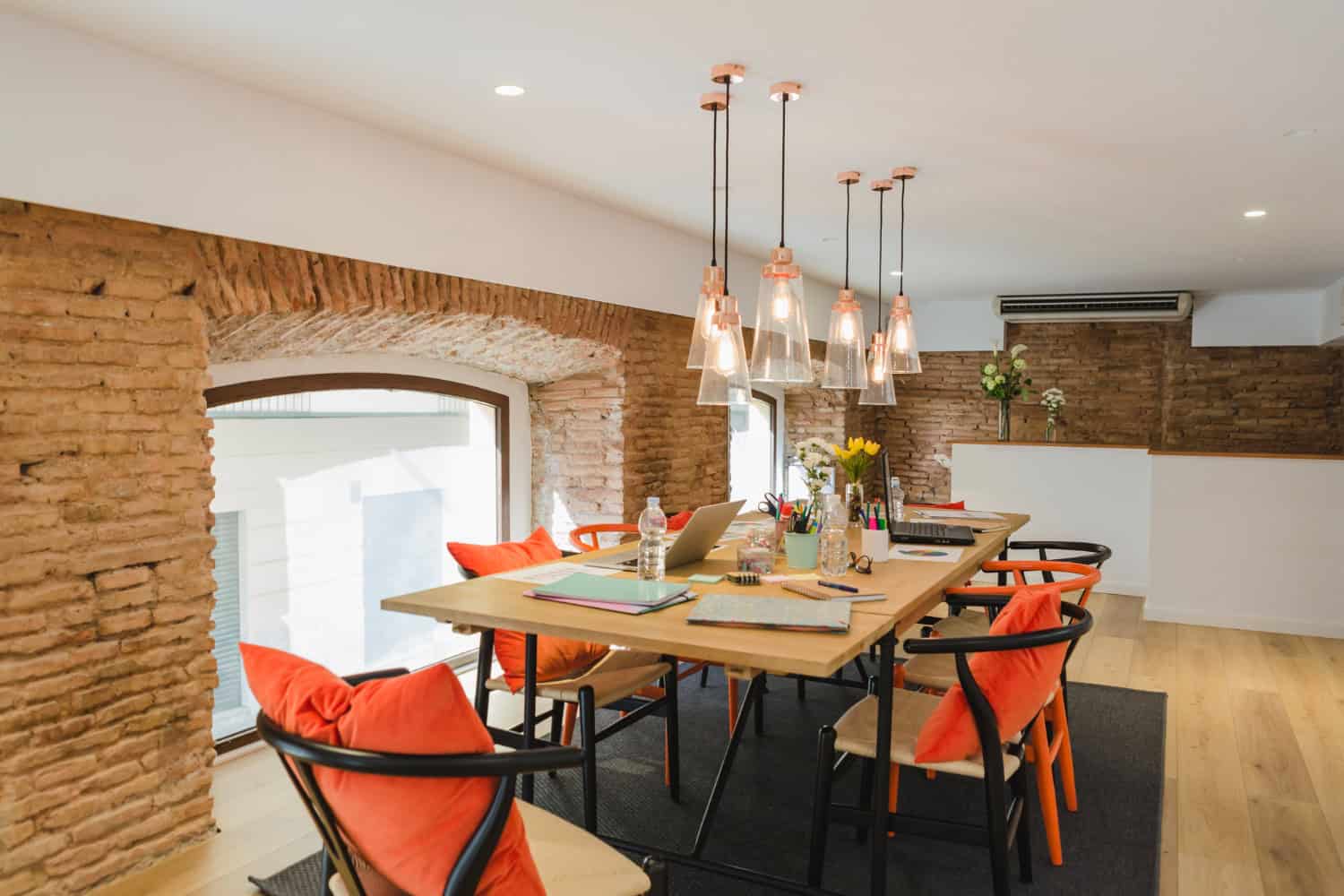
Understanding Kitchen Lighting Challenges in Older Chicago Homes
Older homes in Chicago have a lot of character, but that charm often comes with quirks that show up in the kitchen, especially when it comes to lighting. A space meant for everyday tasks can start to feel dim or chilly, even in the middle of the afternoon. These lighting problems can get in the way, especially if you’re planning a kitchen remodel in Chicago during the colder months when daylight already feels scarce.
Many of these issues come from features built decades ago, meant for a very different way of living. We’ll break down why lighting can be a challenge in these kinds of homes and what sorts of things to look out for before starting major work.
Outdated Wiring and Fixtures
One of the first problems we tend to notice in older kitchens is the wiring. A lot of homes still have systems that were installed when a single overhead bulb was enough. That kind of setup doesn’t give much flexibility when it comes to adding new lights.
Wiring can limit both where fixtures can go and how much light they provide. In many cases, it’s not strong enough to safely handle new lighting types, like track lights or pendants over a kitchen island. The risk here isn’t just poor lighting, it could mean lights that flicker or cut out altogether.
Old fixtures are part of the problem too. Many don’t spread light evenly. Some cast shadows across the counters or sink, which can make food prep frustrating. Others give off a yellowish tone that makes the space feel darker than it actually is.
In kitchens, light needs to be reliable, steady, and bright enough to cook safely. If it’s not, even basic everyday things like slicing vegetables or reading labels suddenly feel harder. At Wrigleyville Handyman and Remodeling Incorporated, we have completed more than 500 kitchen remodels throughout Chicago, so we see outdated wiring and limited circuits as common issues in older homes.
Poor Natural Light Flow
Another thing many older kitchens struggle with is natural light. Depending on the placement of the room, windows might be small, oddly positioned, or completely blocked by cabinetry or a home addition. This limits how much daylight reaches the space, even on bright days.
Layout matters here too. Kitchens in the middle of the house, or downstairs in split-level setups, don’t get much help from sunlight. And during winter in Chicago, the lack of light becomes even more noticeable. Shorter days and overcast skies make rooms with limited windows feel extra dim.
When the natural light is off, people often try to make up for it by using brighter bulbs. But that doesn’t always solve the problem. Light direction matters, as does where the shadows fall. Without a plan to bring in or spread out light naturally, the space stays gloomy no matter what bulbs are used.
Low Ceilings and Awkward Layouts
Many kitchens in older homes weren’t built to handle modern lighting trends. That means certain choices are ruled out from the start. Low ceilings or kitchen soffits above cabinets can make it difficult to install flush lights, let alone something like a chandelier or row of pendants.
Other times, layout features like beams or ductwork create odd angles that block light. Drop ceilings might hide wires but take away space for recessed lighting. These kinds of barriers force workarounds that may not give off enough light or may create uneven brightness across the room.
In these cases, finding the right balance between lighting style and function takes extra planning. Here are some options we often see work in tighter kitchen spaces:
- Recessed lighting for general brightness without taking up ceiling space
- Under-cabinet lighting to brighten work areas without adding clutter
- Slim-profile fixtures that offer strong light in a small footprint
Even with a tight setup, lighting can work well, it just has to fit the room. Our small kitchen remodel specialists focus on maximizing function in tight spaces, which helps when older homes have low ceilings and limited room for new fixtures.
Mixing Old Charm with Modern Lighting
Lots of people want to hold onto the historical feel of their home. That makes sense. The old cabinets, vintage flooring, and crown moldings are part of why they chose the house. But it also means the lighting needs to match that style while still being practical.
Adding modern lighting doesn’t have to take away from the home’s past. It’s really about finding pieces that fit in naturally. A brushed metal fixture, for instance, might clash with stained wood or antique decor. But something with simpler lines or a warmer finish can keep things feeling unified.
One detail that helps is color temperature. Older fixtures often gave off warm tones, which feel cozy. New LEDs come in many shades, some cooler and some warmer, so it helps to pick one that matches the rest of the room.
Staying true to a vintage look while fixing the lighting means paying close attention to style. It’s not just what lights you pick, but what they say when they’re turned on.
When Basic Fixes Don’t Work
You can change out light bulbs or swap in stronger fixtures, but sometimes, those changes don’t do much. Dim areas stay dim. Worse, flickers or buzzing sounds start to happen. That’s often a sign that something deeper is going on behind the walls or in the ceiling.
If switches are warm to the touch or some outlets don’t work with updated lights, those are signs the wiring may not be able to support today’s options. And if you’re already working on a kitchen remodel in Chicago, it’s a good moment to check everything at once. For Chicago properties, we handle permits and city inspections for electrical updates as part of a full kitchen remodel, so new lighting meets local code.
That’s the benefit of making bigger changes during a remodel, it gives a clear look at what’s not working right and helps fix it from the ground up. Layout, wiring, fixtures, and placement can all be reconsidered together, so everything works better once the work is done.
A Brighter, Safer Kitchen Starts Below the Surface
Many lighting problems in older homes trace back to the structure itself. Wiring hidden in walls, ceiling height, or original design choices often hold back how the room can be lit, no matter how modern the fixtures are.
When a kitchen feels too dark or uneven, it might not be about the lights you see. It’s often about what’s underneath. Solving these issues takes more than a new lamp. It’s about rethinking how the whole space works. When lighting is done thoughtfully, the kitchen becomes easier to move around in, more comfortable during darker seasons, and safer for everyday use.
Planning a kitchen remodel in an older Chicago home is an ideal opportunity to assess your lighting and wiring since kitchens that feel dim or uneven may have hidden issues requiring more than a simple fix. A thoughtful layout and updated lighting plan can enhance your space while preserving your home’s character. For more ideas on how to handle a kitchen remodel in Chicago, contact Wrigleyville Handyman and Remodeling Incorporated. We are here to help make your space safer and brighter.