
Designing Spa-Like Steam Shower Tile Layouts in Chicago Homes
Transform Your Chicago Shower Into a Private Spa
A steam shower can turn a basic bathroom into a calm, private spa, especially when the weather outside feels long and cold. The steam and fixtures matter, but the tile is what you see and touch every single day. The right layout, color, and texture can make your bathroom feel bigger, warmer, and more relaxing. The wrong choices can feel busy, slippery, or hard to clean.
In this article, we focus on tile design for steam showers in a bathroom remodel in Chicago. We will walk through tile materials, layouts, and small details like niches and benches that make a huge difference. As local remodelers, we work in homes across the city and suburbs, so we know how to make steam showers look spa-like and still hold up to Chicago’s climate.
Choosing the Right Tile for Steam Showers
Steam showers deal with constant moisture and temperature shifts, so the tile has to perform, not just look pretty. In our climate, we look for tile that does not soak in water and is easy to keep clean.
Good options for steam shower walls and ceilings include:
- Porcelain tile, especially large-format styles
- Glazed ceramic tile
- Glass tile used in the right areas
- Porcelain slabs that mimic marble or other stone
These tiles are low-porosity or non-porous, which helps limit water absorption, staining, and issues behind the walls.
The floor is a different story. You want comfort and grip under your wet, soapy feet. For floors we usually recommend:
- Smaller tiles, such as mosaics or small hexagons
- Textured surfaces instead of fully polished
- Enough grout joints to add traction
Polished, ultra-slick tiles are better left to the walls or niches. On the floor they can feel unsafe in a steam-filled space.
For a spa-like look that still works for families, many homeowners like:
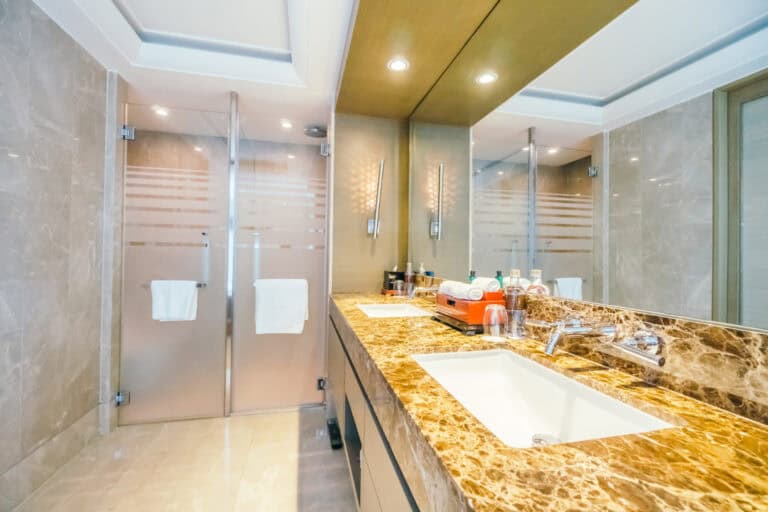
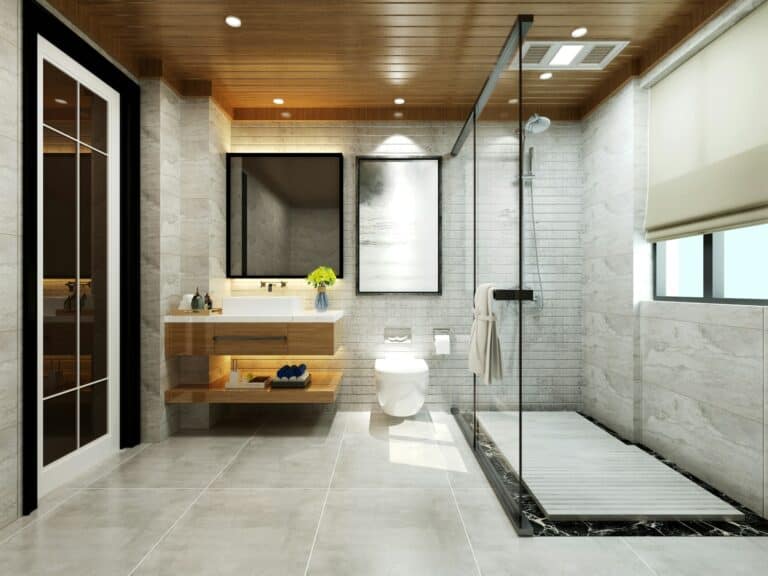
- Large porcelain tiles that look like natural stone
- Soft gray, beige, cream, or warm white palettes
- Subtle veining instead of strong, busy patterns
These choices give you a calm, high-end look without the upkeep that real marble can bring in a steam environment.
Planning Tile Layouts That Feel Calm and Cohesive
Once materials are chosen, layout is what makes the space feel peaceful instead of chaotic. In a typical Chicago bathroom, space is tight, so we use tile lines to stretch the room visually.
We often plan layouts so:
- Grout joints line up from wall to wall and floor to wall
- Large tiles run in the same direction across surfaces
- Cuts are hidden in corners or low-visibility areas
When grout lines flow, the eye relaxes. The shower feels larger and more open.
We also like to create one main focal wall instead of several competing areas. Often this is the wall behind the shower head. You can:
- Run large-format tiles in a stacked pattern for a clean look
- Use a subtle accent tile on that wall only
- Add a small contrast tile just at the niche backs
Color blocking works best when the accent is limited. Too many patterns can make a compact steam shower feel busy instead of spa-like.
Steam showers also bring the ceiling into play. Steam collects up high, so many steam showers use a slightly sloped tiled ceiling to help water roll off instead of dripping straight down. When we plan the layout, we:
- Align ceiling grout joints with the walls where possible
- Place smaller cuts at the edges, not in the center of the ceiling
- Keep the pattern simple to avoid a “patchwork” feeling overhead
A clean ceiling layout keeps the space calm when you are lying back against the bench looking up.
Smart Details for Niches, Benches, and Thresholds
Details are where tile design can really feel spa-like. Niches, benches, and thresholds all need thoughtful planning.
For shower niches, there are two main looks that work well:
- Using the same field tile inside the niche for a seamless look
- Using a small mosaic or softer accent tile on the niche back for a subtle pop
We usually keep the niche sides and top in the same tile as the wall so your eye reads one calm surface, with just a hint of interest at the back if you want it.
Built-in benches are a must in many steam showers. For tile, we think about:
- Slope from back to front so water drains and does not pool
- Rounded edges or carefully mitered corners for comfort
- Wrapping the same tile across the seat, front, and sides
A continuous wrap reduces grout build-up and cold edges. It also helps the bench feel like part of the architecture, not something stuck on later.
Thresholds and transitions matter for both safety and style. To bridge from the shower to the rest of the bathroom, we may use:
- Bullnose tile pieces to soften edges
- Metal or color-matched profiles for clean lines
- A carefully planned height change between shower floor tile and bathroom floor tile
The goal is a smooth, safe transition that looks intentional, not patched.
Seamless Tile Design in a Full Bathroom Remodel in Chicago
A steam shower rarely stands alone. In a full bathroom remodel in Chicago, we like the whole room to feel like one coordinated space.
Some simple ways to tie the shower into the bathroom:
- Continue the same floor tile into the shower, with a size change if needed
- Match the main wall tile in the shower to a wainscot or accent wall outside
- Keep metal finishes like trims and drain covers aligned with fixtures
When someone walks in, their eye should move smoothly from vanity to floor to steam shower, without sharp breaks.
If you love bold design, we often balance it with plenty of calm surfaces. For example:
- Patterned floor tile paired with solid, soft-toned shower walls
- Dark shower walls with light, simple bathroom walls around them
- One standout feature, like a statement niche, paired with neutral surroundings
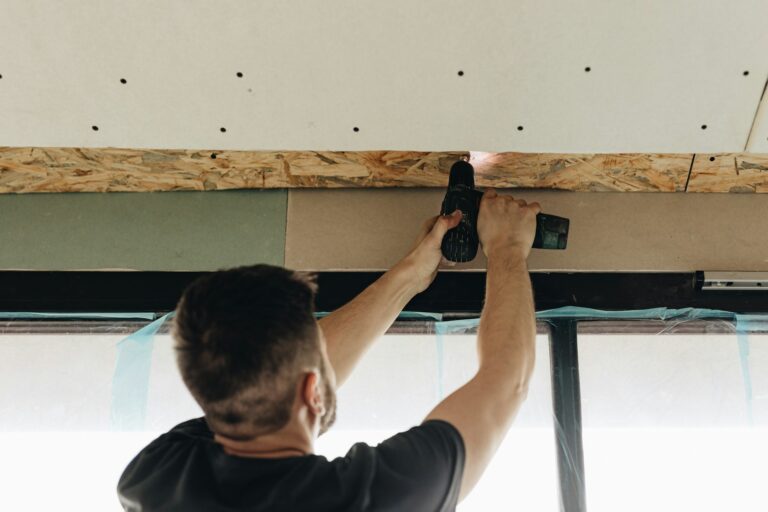
Chicago bathrooms also need solid construction behind the pretty tile. Exterior walls may need extra insulation. Steam showers need proper vapor barriers and steam-rated assemblies to handle hot-cold cycles. Professional installation helps protect your framing, reduce the risk of moisture issues, and keep that new tile looking fresh longer.
Seasonal Tile Considerations for Chicago Winters
While your steam shower should feel good year-round, winter here makes warm, cozy choices even more appealing. Tile can look cold if the colors are harsh, so we often suggest palettes like:
- Creams and warm whites
- Soft taupes and greiges
- Wood-look porcelain in light to medium tones
These colors soften gray light from a Chicago winter sky and make the steam space feel welcoming instead of stark.
Tile also pairs nicely with radiant floor heating and even heated bench surfaces. Large-format tiles over radiant systems spread the warmth evenly, so your feet and seating areas feel comfortable when you turn on the steam.
Lastly, steam showers bring quick temperature swings. Careful layout, movement joints in the right places, and the right setting materials help the tile system handle those changes without cracking. This is another reason professional design and installation are so important, especially in our climate.
At Wrigleyville Handyman and Remodeling Incorporated, we focus on getting all of these tile details right, from the first layout line to the final grout joint, so your Chicago steam shower feels like a private spa every single day.
Get Started With Your Project Today
If you are ready to turn your dated bath into a space that actually works for your daily routine, we are here to help. Explore what is possible with a tailored bathroom remodel in Chicago designed and built by Wrigleyville Handyman and Remodeling Incorporated. Share your ideas, photos, and timeline and we will walk you through practical options, clear pricing, and next steps. To schedule a consultation or ask a question, simply contact us today.