Understanding Basement Moisture Issues During Chicago Winters
When winter hits Chicago, the snow piles up, the ground freezes, and temperatures drop fast. For many homeowners, this brings more than just heavy coats and extra shoveling. It can also mean new problems in the basement.
If you’ve been thinking about a basement remodel or already have one in place, now’s a good time to talk about moisture. Winter conditions can quickly turn a dry basement into a damp, uncomfortable space. Small cracks that seemed harmless in warmer months may start letting in water once the snow starts melting beside your foundation.
Let’s walk through what to expect during a cold Chicago winter, how to spot warning signs early, and what you can do to protect your basement from damage.
Why Moisture Becomes a Bigger Problem in Winter
Cold weather may seem like it would slow down moisture problems, but it often does the opposite. Winter events, like hard freezes, snow buildup, and shifting ground, can all make basement leaks worse.
• When temperatures drop below freezing, the soil surrounding your foundation expands. That pressure can cause new cracks or make existing ones spread.
• Snow that melts too quickly near your house can pool around the base, finding its way inside through tiny gaps in walls or windows.
• While the air outside gets very dry, basement air often holds moisture. Without enough airflow, that trapped humidity can collect on cool walls and surfaces.
Even a small bit of extra water during winter can lead to bigger issues by spring, especially if it freezes and thaws multiple times. Left without attention, this water may slowly seep into places you do not see every day. Some basements are more at risk than others, especially if the landscaping around your house slopes toward the foundation. Older homes in established Chicago neighborhoods may have aging foundations or original drainage that do not keep up with severe weather.
As the ground thaws and refreezes, exterior pressure on basement walls goes up. These forces, combined with expanding ice, can put significant stress on an already compromised foundation. That’s why the winter months often expose hidden weaknesses that stayed unnoticed during warm stretches.
Common Signs of Moisture in a Basement
Many basement moisture problems don’t begin with a big puddle. They start with small changes that are easy to miss at first. Watch for these signs during winter months:
• A musty or damp smell that doesn’t go away, even when you use fans or air fresheners
• Wet spots on the floor, dark streaks on walls, or puddles that show up after snow melts
• Paint that bubbles or peels, or wood trim that feels soft or warps near the base
Mold might begin to grow quietly in corners you don’t check often. Even small amounts can affect how a space smells and feels. Keep an eye out, especially during warm-ups after a deep freeze.
In addition to smells and stains, other subtle problems may arise. You might feel the air in your basement is heavier during certain weeks, or you notice items stored in cardboard boxes becoming damp and warped. Books, photos, and stored furniture are often the first to show signs of damage from unwanted moisture. Persistent dampness can lead to minor health concerns and reduced comfort, particularly if your basement is used as a living space or rental unit.
Missing early signals can make cleanup and repairs more difficult when spring weather arrives. Regular visual checks throughout winter help you recognize changes in your basement environment before they turn into costly repairs.
How a Basement Remodel Can Help Prevent Moisture Problems
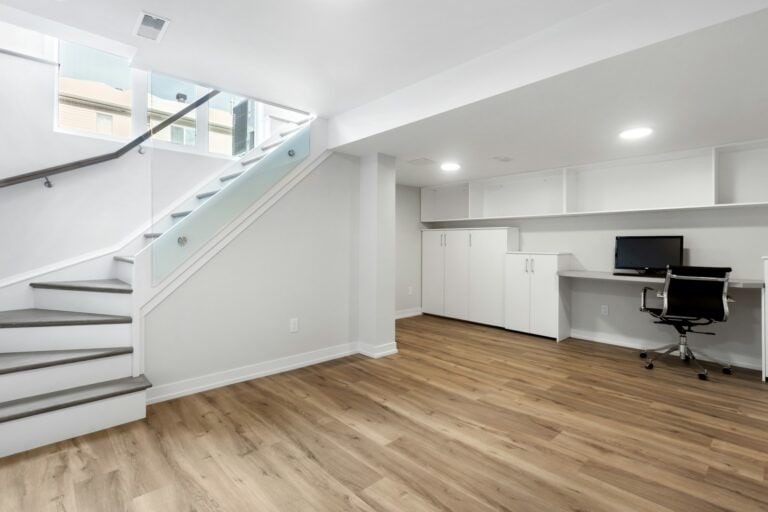
Planning or updating a basement remodel gives us a good chance to fight off future moisture problems. The process lets us look at the bones of the space and improve how it’s protected.
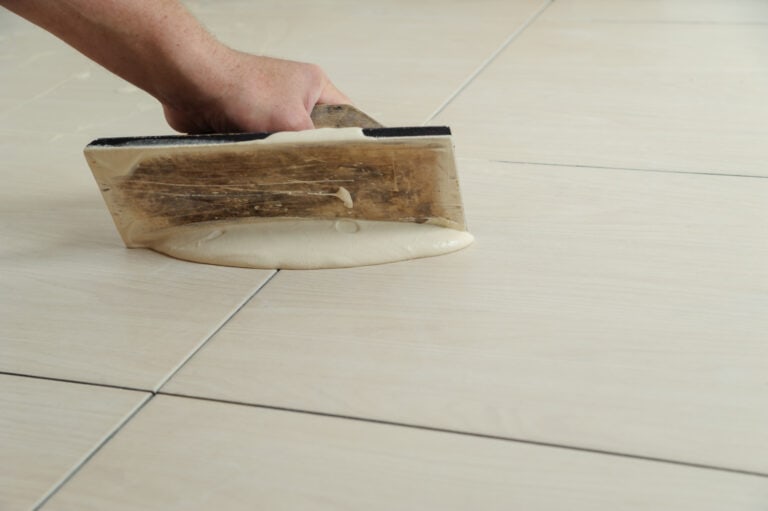
• We can use materials that block water better, like vapor barriers behind walls or waterproof flooring
• Closed-cell insulation can help keep cold air and dampness from spreading through foundation walls
• It’s easier to check for hidden foundation cracks or bad drainage when the space is being remodeled
Ventilation is another area where updates make a difference. Adding vents or quiet fans improves air movement, which cuts down on stale or damp air in the winter.
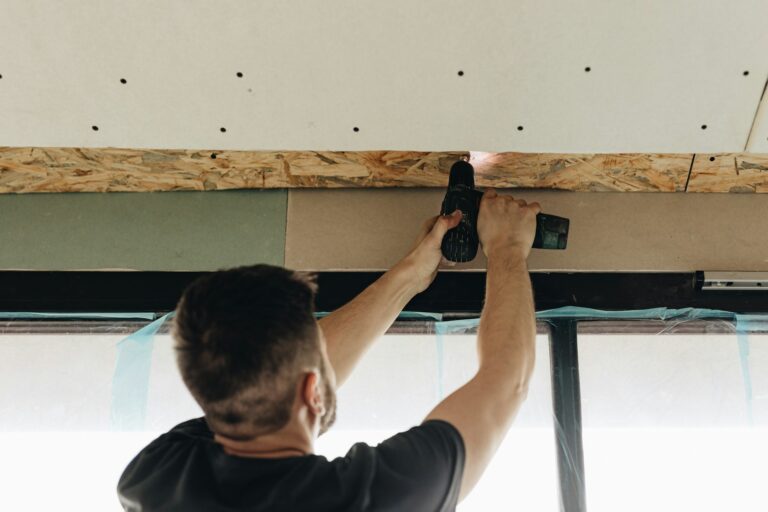
All basement finishing and renovation projects include expert evaluation of insulation and moisture barriers. We install waterproofing solutions specifically designed for Chicagoland basements, and every remodel is built to local building codes for maximum protection.
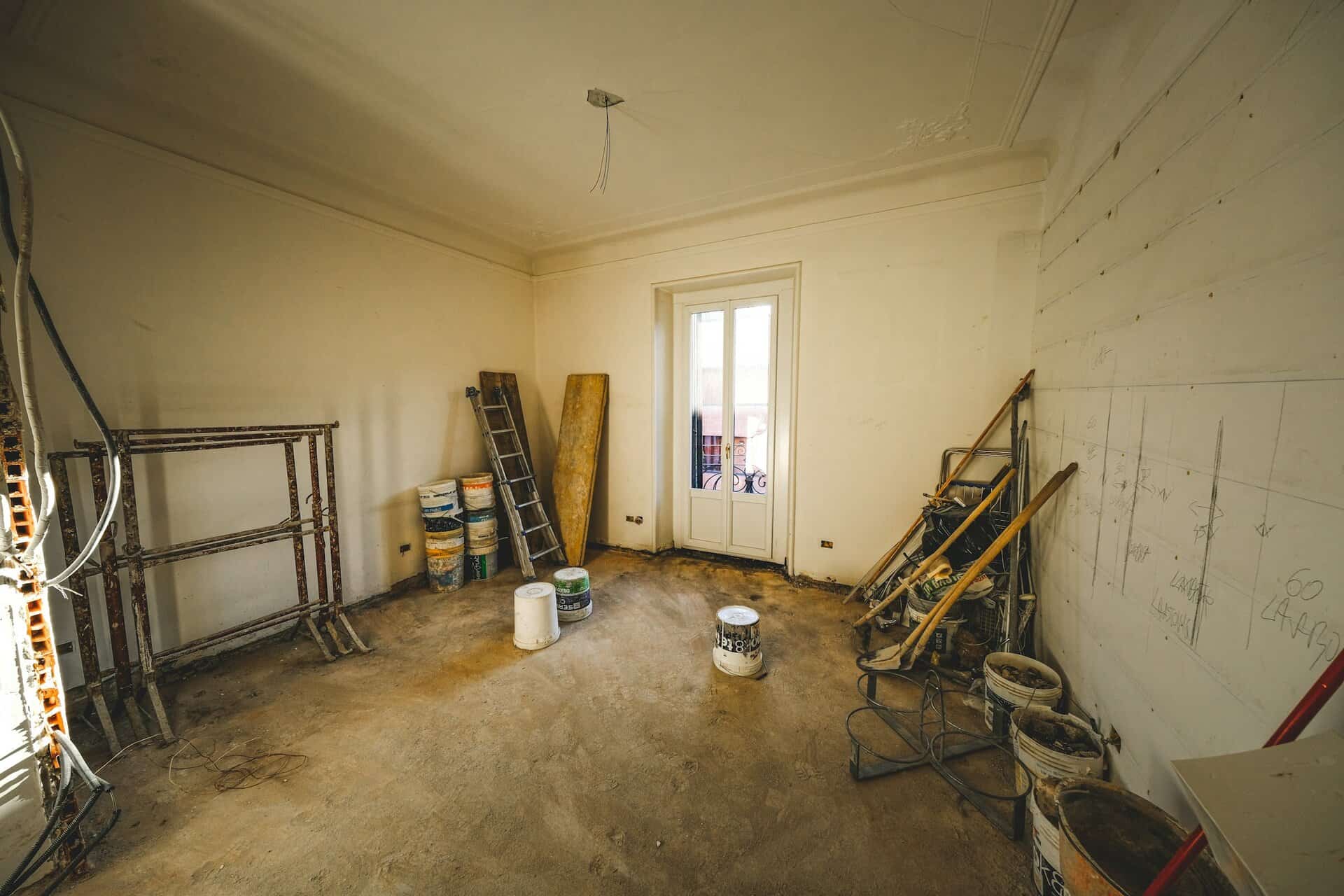
A remodel can provide the opportunity to assess the entire basement space, finding points where older materials or outdated construction methods are letting moisture through. Before new walls go up, we can identify areas that need additional protection. Using high-quality sealants or drainage systems and modern insulation types ensures long-term resistance to water intrusion. The remodeling process also gives you a chance to configure your layout for improved airflow, helping any future moisture escape instead of becoming trapped in corners.
Many basement remodels today include drainage mats beneath floors or integrated sump pump solutions that help channel water away from your home, giving you another line of defense. Simple upgrades in insulation, window sealing, and perimeter drainage go a long way toward improving comfort through the coldest months.
Winter Steps to Reduce Moisture Around the House
Even without a full remodel, there are steps that help keep things dry when snow and ice roll in. It starts by keeping water away before it gets inside.
• Make sure gutters are cleared of leaves before winter snow begins
• Double-check that downspouts direct water away from your home’s base
• Look at basement windows to see if cold air or meltwater is sneaking in through cracks
• Use a dehumidifier on warmer winter days, especially after it snows or rains
These quick checks each season take just minutes, but they can help avoid a bigger mess later.
During winter, it is helpful to observe the yard for areas where snow tends to pile up against foundation walls or basement windows. Use a shovel to move snow away from these areas after each storm, keeping at least a two-foot gap clear as much as possible. Pay attention to the sides of the house where melting snow forms icicles and drips down onto the ground. Over time, this water may work its way through even the narrowest cracks.
Inside, keep clutter away from basement walls so you can inspect surfaces for changes once or twice a month. Rotate storage bins if you suspect the floor is getting damp underneath. On days when temperatures go above freezing, briefly open basement windows or exterior doors for fresh airflow. This helps lower humidity indoors.
If you notice condensation forming on pipes or metal surfaces, wipe it up quickly and check for ventilation improvements. A simple box or oscillating fan can help move damp air out, especially in laundry or storage areas.
Keep Your Basement Dry All Winter
When you know what to look for, it’s easier to stay ahead of problems. Chicago winters make it more likely for moisture issues to sneak into the basement, especially during freeze and thaw cycles or after heavy snow. By relying on basement renovation professionals who understand the unique challenges of the Chicago area, you get solutions that work from the very start. Every remodel by Wrigleyville Handyman and Remodeling Incorporated comes with a focus on long-term comfort and protection.
A well-planned basement remodel is a smart way to keep your Chicago home dry and comfortable before snow and ice become part of daily life. Taking action now helps you avoid bigger issues down the road. At Wrigleyville Handyman and Remodeling Incorporated, we’re ready to help you create a basement that handles wet seasons with ease. Reach out to us today to discuss your goals and get started.